
Agricultural pests and diseases are among the most prominent challenges faced by farmers worldwide, as they pose a major threat to agricultural production, negatively affect the quality of crops, and lead to huge economic losses. Therefore, combating these pests and diseases becomes essential to ensure food security and preserve the environment..
In this context, managing agricultural pests and diseases is one of the most important aspects of maintaining crop health and ensuring the sustainability of agricultural production. To achieve effective and sustainable results, addressing these threats requires the use of integrative strategies that combine multiple and complementary approaches, which enhances the ability to confront challenges comprehensively and effectively.
Have you ever wondered how farmers protect their crops from threatening insects and diseases? The simple answer is: Using smart and balanced methods.

What is integrated pest management?
Integrated pest management is a comprehensive and effective method of dealing with agricultural pests that aims to control them sustainably. This method includes several main steps:
Challenges facing the application of integrated pest management:
- • Basic challenges: IPM faces several challenges, including lack of awareness and knowledge among farmers about how to apply it correctly, and high costs of implementation in the early stages.. It is also difficult in some areas to obtain the necessary agricultural inputs, and farmers face resistance to changing from traditional methods to new methods.
- • Climate changes and emerging pests: The emergence of new pesticide-resistant pests and diseases is a major challenge for integrated pest management. In addition, climate changes affect the spread of these pests, requiring the development of new strategies to control them.
- • Proposed solutions: To overcome these challenges, increased awareness and training of farmers on IPM principles, and financial support to encourage their application are required. Promoting research to develop new pest control techniques, in addition to enhancing cooperation between farmers, the government, and various organizations, is considered essential to achieving the goals of sustainable agriculture..
How does technology contribute to more effective pest control?
Technology contributes greatly to improving pest control strategies by providing precise tools and techniques that enhance management efficiency and reduce damage. These contributions can be summarized through the following points:
- • Smart sensor networks: It provides farms with a network of sensors that continuously monitor environmental factors affecting the growth of plants and pests. These devices measure humidity, temperature and light levels, which helps predict conditions that may lead to pest infestation and identify areas most susceptible to infestation..
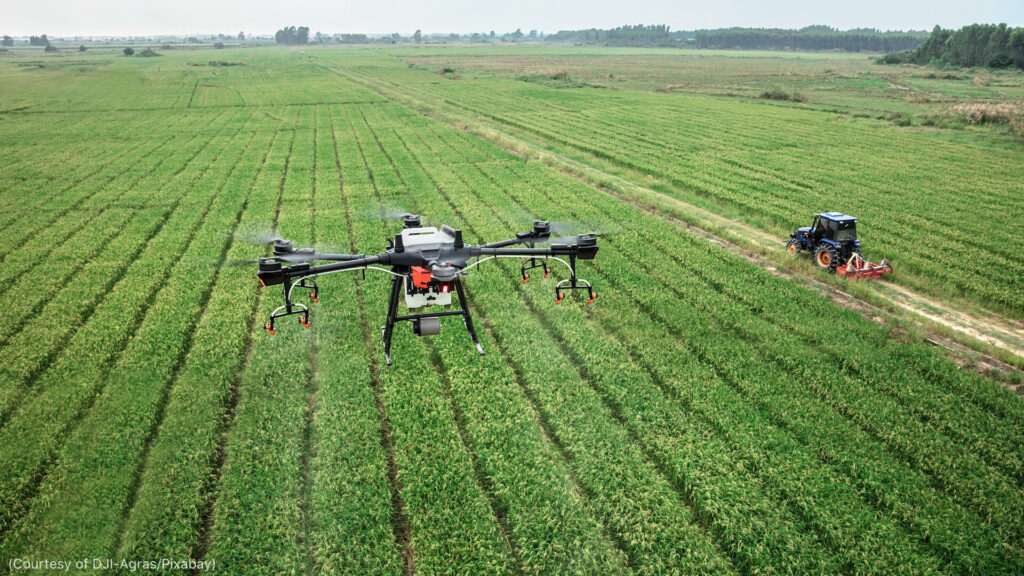
- • Advanced aviation photography: Drones equipped with high-resolution cameras and specialized sensors are used to inspect crops periodically. These drones can detect abnormal changes such as yellowing of leaves or the presence of spots, providing early data on the occurrence of pests and allowing rapid preventive action to be taken..
- • Spectral analysis: Spectroscopic techniques are used to examine leaves and plants. This technology can detect nutritional deficiencies or diseases with high accuracy, which contributes to determining the appropriate treatment and avoiding the spread of diseases..
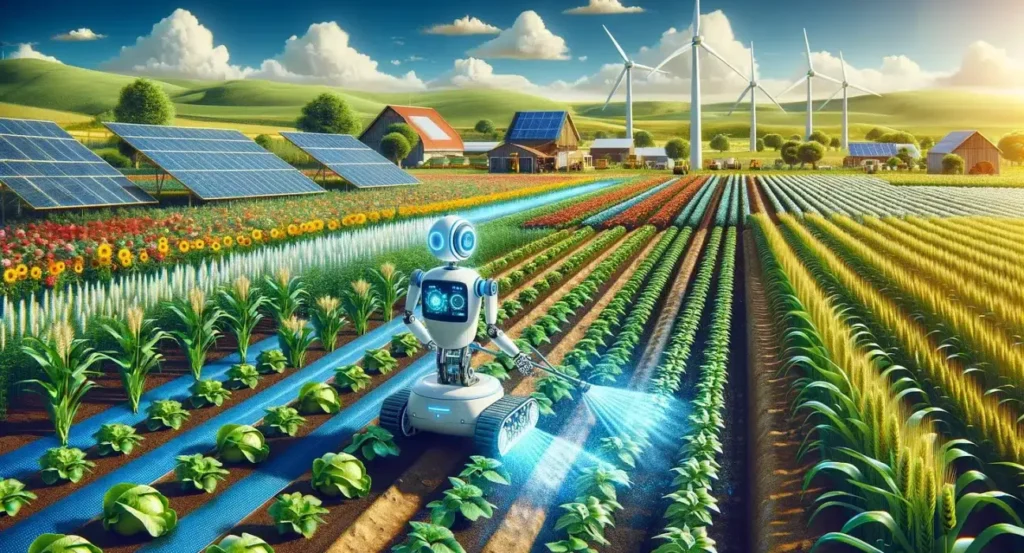
Artificial intelligence and big data analysis
- • Machine learning models: Machine learning models are trained on vast amounts of data about pests and diseases. These models help identify patterns and predict pest spread based on historical data analysis, enabling farmers to apply effective pest control strategies..
- • Image analysis: Using computer vision techniques, images of crops can be analyzed to determine the presence of pests and estimate the extent of infestation with high accuracy. This technology helps speed up the diagnosis process and provides accurate information about the level of damage.
- • Expert systems: Expert systems provide personalized recommendations to farmers based on available data. These systems provide effective control strategies based on a comprehensive analysis of data and environmental conditions, facilitating informed, evidence-based decisions.
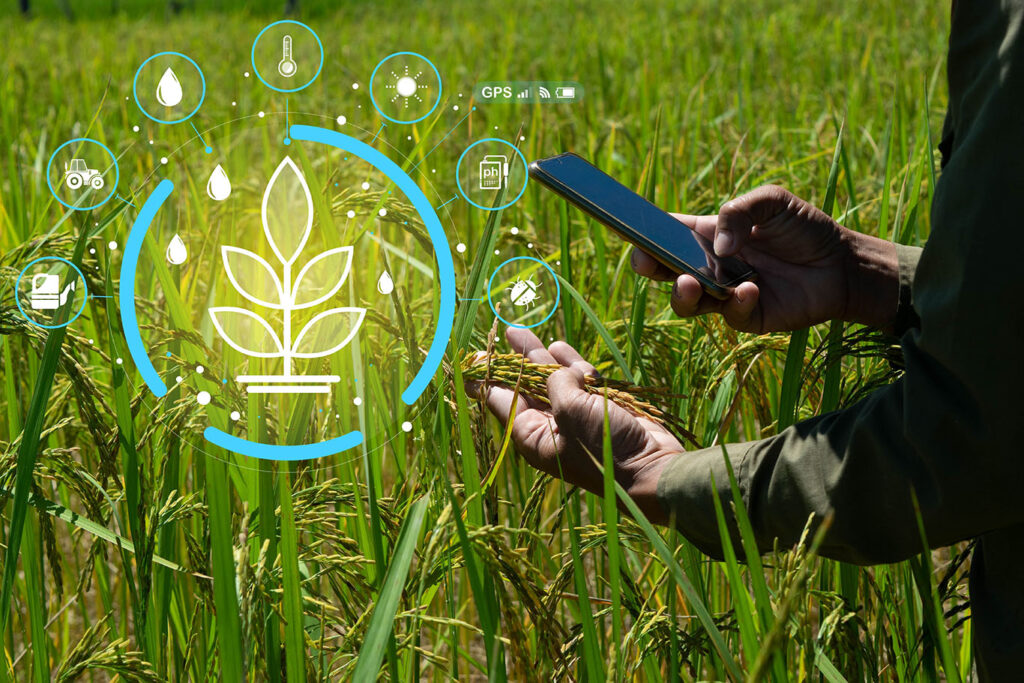
Smart applications and digital agricultural communities
Knowledge sharing platforms
- Social media platforms for farmers: These platforms allow farmers to exchange experiences and knowledge about best practices in pest control. It provides an interactive environment where farmers can ask questions, share experiences, and get advice from experts and their peers. These platforms help promote agricultural education and provide innovative solutions based on real experiences.
Agricultural data markets
Buy and sell agricultural data: Data marketplaces allow farmers to exchange agricultural information, such as weather data, soil data, and pest models. These markets foster innovation by providing the data needed to develop new, customized pest control solutions. It also helps improve agricultural management strategies through access to accurate and reliable information.
Benefits of techniques in pest control
- Early detection: Technologies help detect pests at early stages, allowing quick and effective action to be taken before the problem worsens and significantly affects crops..
Reduce the use of chemical pesticides
- Precise treatments: The technologies allow treatments to be applied precisely and targeted, reducing the need for indiscriminate use of chemical pesticides. This reduces negative impacts on the environment and human health.
Increase productivity
- Improving crop quality: By early detection and effective treatment of problems, crop quality can be improved and productivity increased, benefiting farmers.
Sustainability of agriculture
- Reduce costs: Technologies contribute to reducing costs by improving the efficiency of resource use and reducing the need for manual interventions.
- Improve resource efficiency: Promotes sustainability by achieving sustainable agriculture based on the use of technology to conserve natural resources and enhance the health of the agricultural ecosystem.
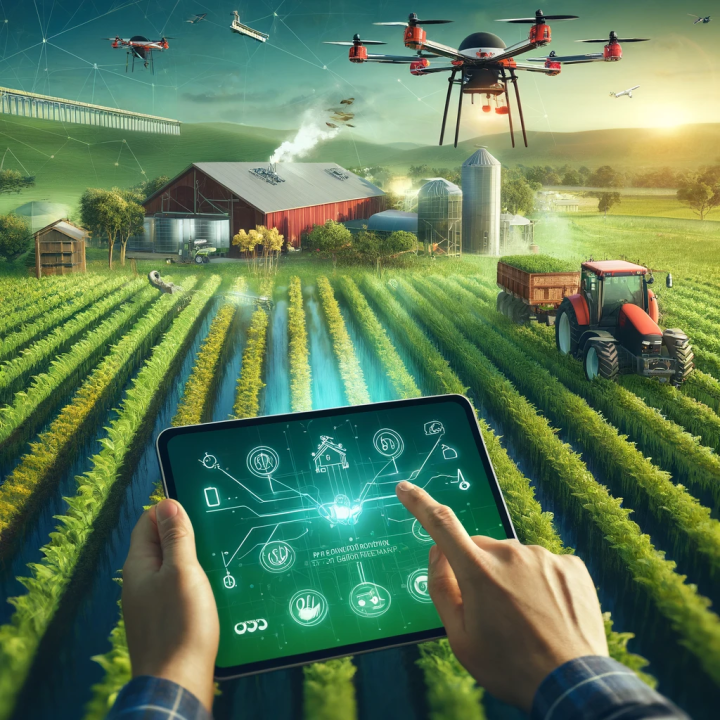
These benefits contribute to advanced and effective pest management, which enhances the sustainability of agriculture and supports high productivity for farmers
Integrated pest management represents the sustainable agricultural future, as it combines modern technologies with traditional methods to achieve a delicate balance between increasing production and protecting the environment. By enhancing farmers' awareness and providing them with the necessary knowledge and tools, we can improve the effectiveness of these strategies, which contributes to protecting the environment, enhancing human health, and ensuring sustainable food security for future generations.. Digital technology is a powerful tool in promoting integrated pest management, as it contributes to achieving higher productivity and better crop quality, while preserving the environment and natural resources.. Let's work together to build a healthier and more sustainable agricultural future.



Leave a comment