



Agriculture is the cornerstone of civilizations, as it has been the basis for securing food for humans and animals since the dawn of history. Man relied on agriculture to build prosperous societies and secure his daily livelihood, as it was not just a food production process, but rather an art and science that required skill and a deep understanding of the nature of the land and the climate..
In light of the current environmental, economic and social challenges, it has become necessary to adopt a new approach to agriculture, namely sustainable agriculture. This integrated approach seeks to meet the nutritional needs of current and future generations in a manner that takes into account the preservation of the environment and the health of natural resources. Sustainable agriculture relies on environmentally friendly agricultural practices, such as organic farming, effective water management, and reduced reliance on chemical pesticides, with an emphasis on soil and water health..
Sustainable agriculture combines three main components:
- Economic: It ensures the continuity of agricultural production to meet the growing demand for food, which enhances food security in the long term.
- Environmental: It aims to protect the environment by maintaining the health of ecosystems and reducing the negative impacts of agricultural activities.
- Social: It seeks to improve the quality of life in rural areas by promoting social justice and well-being in farming communities.
By integrating these three components, sustainable agriculture contributes to achieving the United Nations Sustainable Development Goals, such as eliminating hunger and poverty, tackling climate change, and ensuring the well-being of future generations..
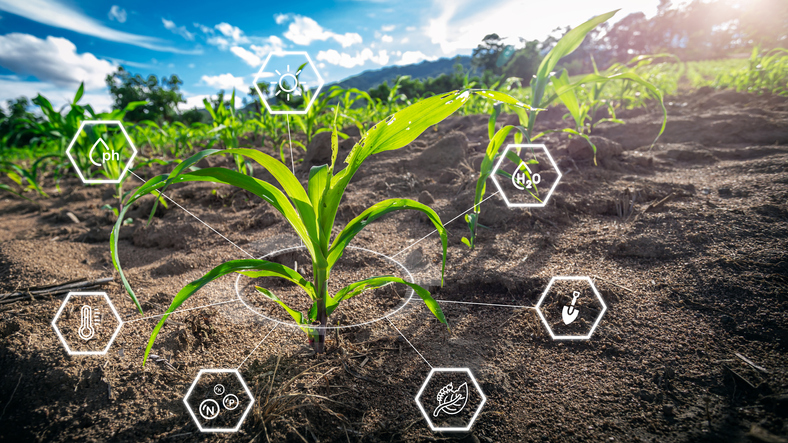
Challenges facing sustainable agriculture:
- • Cost: The cost of implementing sustainable agricultural practices is often high initially, especially for small farmers.
- • Lack of awareness: There is a lack of awareness of the importance of sustainable agriculture and its benefits among farmers and consumers.
- • Absence of government support: There may be a lack of government support for farmers who want to adopt sustainable agricultural practices, such as subsidies and training.
- • Infrastructure: Agricultural infrastructure in some areas may be insufficient to support sustainable agricultural practices, such as modern irrigation systems and an organic produce market.
- • Climate changes: Climate changes negatively impact sustainable agriculture through increased drought, floods, and changing rainfall patterns.
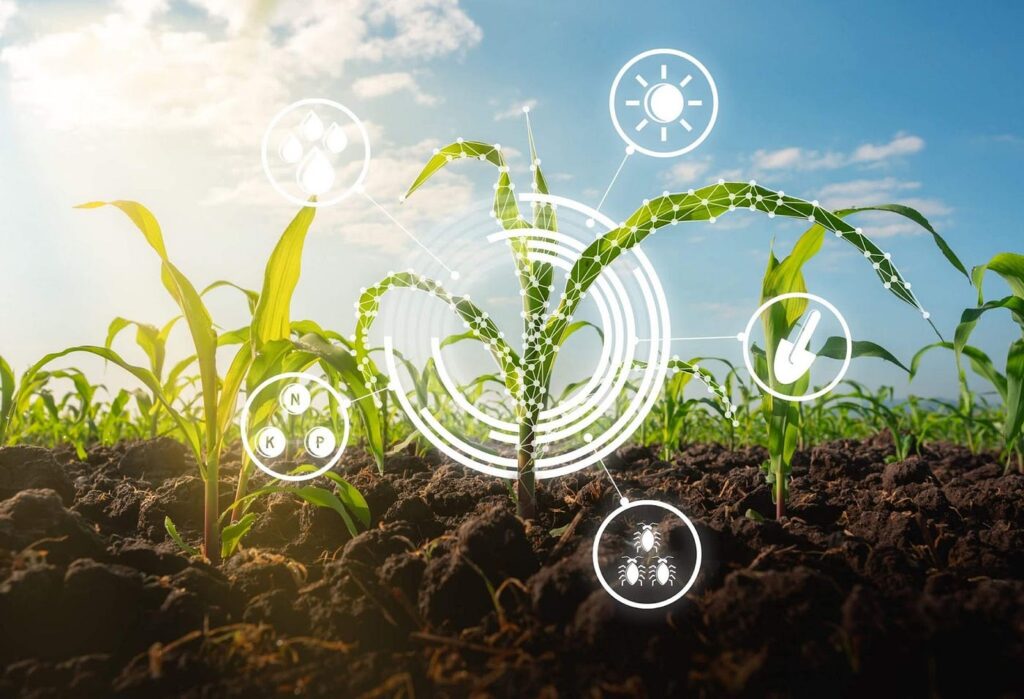
Opportunities for sustainable agriculture
- • Increasing demand for organic products: Demand for organic and natural products is increasing among consumers, providing new opportunities for farmers.
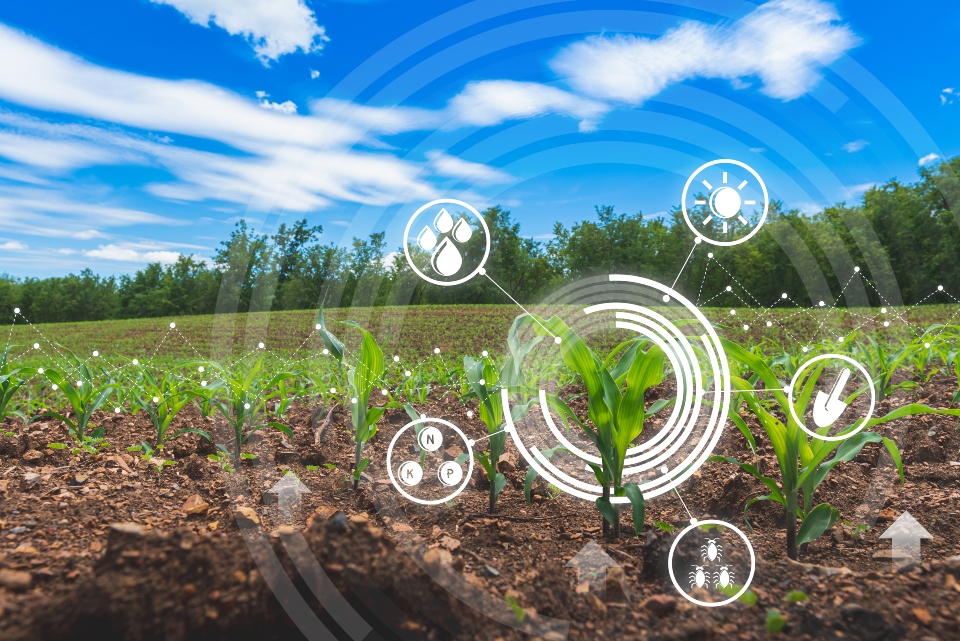
- • Modern technology: Modern technology such as smart farming and drip irrigation systems help improve resource efficiency and increase productivity.
- • International support: There are many international initiatives that support sustainable agriculture and provide financing and training.
- • Circular economy: Sustainable agriculture can contribute to building a circular economy based on recycling resources and reducing waste.
- • Community awareness: Awareness of the importance of sustainable agriculture can be increased through awareness campaigns and education programmes.
Sustainable agriculture is the best investment for our future. It is the bridge between food security and environmental protection. By adopting environmentally friendly agricultural practices and utilizing modern technology, we can achieve high productivity while preserving our natural resources. However, achieving this goal requires the combined efforts of all stakeholders, from farmers to decision-makers and consumers.
Our shared commitment to sustainable agricultural practices is not just an option, but a necessity to ensure the sustainability of our planet and the lives of future generations. Let us all work to foster innovation and knowledge sharing to support this important transition towards a better agricultural future. With cooperation and awareness, we can build a sustainable food system that ensures the prosperity of future generations.


Leave a comment